 When you click on links to various merchants on this site and make a purchase, this can result in this site earning a commission. Affiliate programs and affiliations include, but are not limited to, the eBay Partner Network. When you click on links to various merchants on this site and make a purchase, this can result in this site earning a commission. Affiliate programs and affiliations include, but are not limited to, the eBay Partner Network.
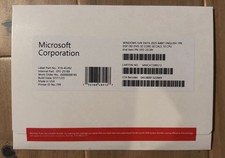
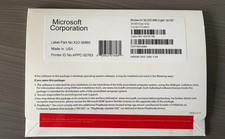
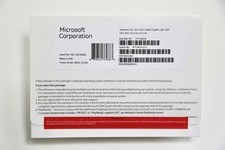
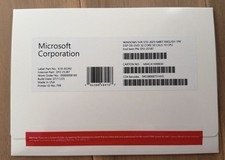
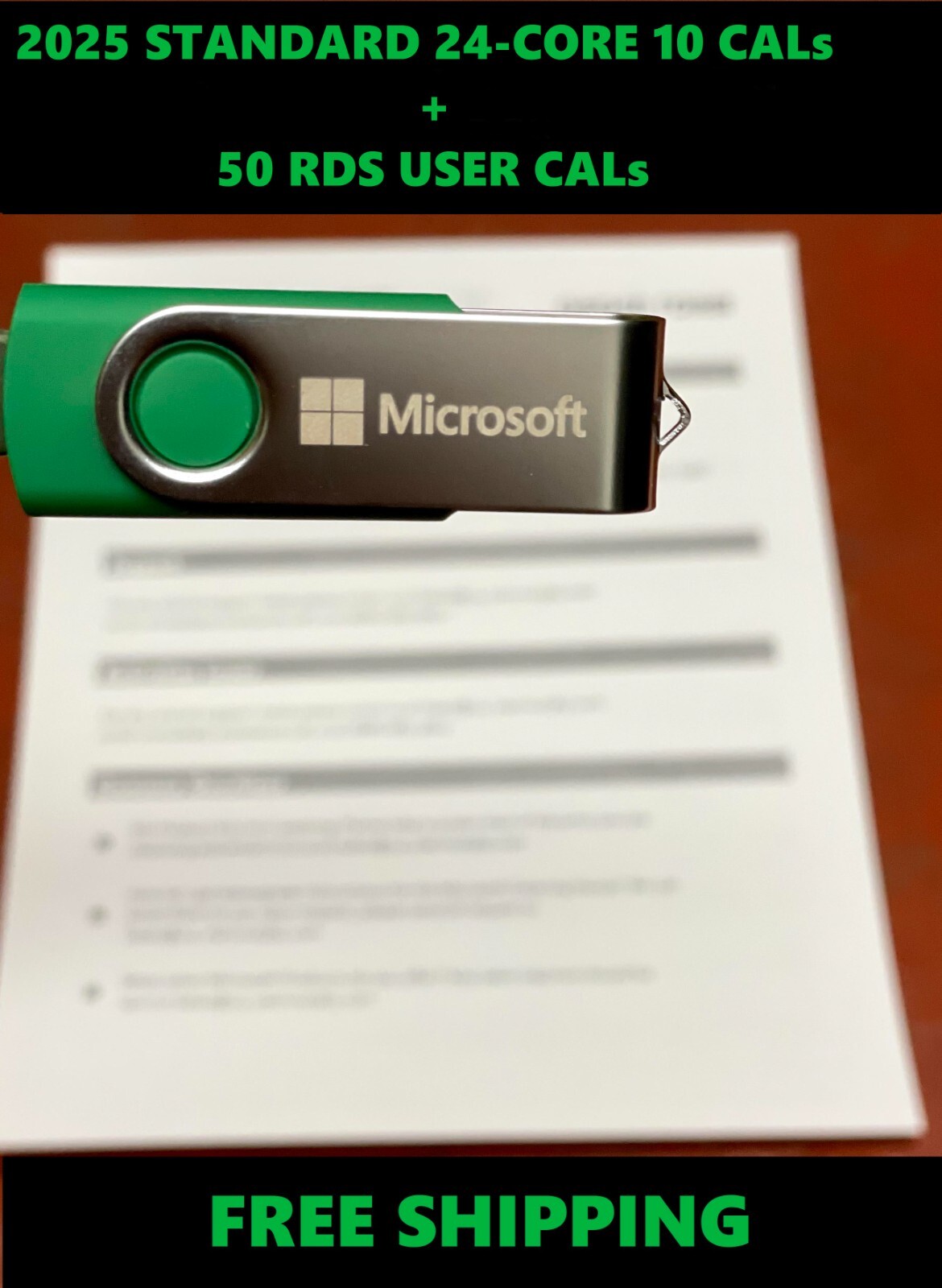
Physical Delivery via USPS Priority Mail Includes: - 1 x Product Key for use on Server 2025 Standard (24-Core) 10-CAL Retail
- 1 x Product Key for use on Server 2025 Standard Remote Desktop Services CAL KEY PACK 50 - Users
- EOL support to October 10, 2034
- Compliance with all manufacturer and legal requirements
- Free FAST Priority Mail shipping included
- We’re here for you 24/7! Our support team is included with your purchase and always ready to help.
1. Key Features of Windows Server 2025 Standard:1. Security Improvements - Enhanced Security Features: Windows Server 2025 is likely to include improved protection against evolving cybersecurity threats, building on features like Windows Defender ATP (Advanced Threat Protection), ransomware detection, and improved encryption methods.
- Zero Trust Integration: Support for a more seamless implementation of Zero Trust security models for better access control and verification of every user and device on the network.
2. Hybrid Cloud and Integration - Azure Hybrid Benefits: Expanded integration with Azure services to enhance hybrid cloud capabilities. This includes easier hybrid deployment options for workloads, seamless cloud-to-on-premises data and app syncing, and improved management tools.
- Azure Arc: Possible deeper integration of Azure Arc to manage on-premises, multi-cloud, and edge environments all from a centralized Azure portal.
- Windows Admin Center Enhancements: Continued improvements to the Windows Admin Center for simplified management, diagnostics, and troubleshooting for both local and cloud environments.
3. Virtualization and Containers - Improved Hyper-V: Performance improvements, enhanced scalability, and more flexibility in managing virtual machines (VMs), with potentially enhanced features for running Linux VMs.
- Windows Containers: Expanding and improving containerization capabilities for deploying and managing containerized applications, including integration with Kubernetes and Docker.
- Storage Spaces Direct & Hyper-Converged Infrastructure: Advanced options for hyper-converged storage and more efficient deployment of high-availability storage systems.
4. Performance and Scalability - Better Support for Large Scale Systems: Performance optimizations for higher workloads, allowing greater scalability in large enterprise environments.
- Enhanced Multi-CPU Support: Improved support for handling large numbers of CPUs and memory configurations.
- Memory and I/O Enhancements: Optimized memory management and improved I/O throughput for better performance in demanding applications.
5. Storage and File Systems - ReFS (Resilient File System): Ongoing enhancements to ReFS, which improves data integrity and is optimized for modern hardware configurations.
- Storage Migration Service Improvements: More advanced capabilities to migrate servers, apps, and data to new or virtual environments without disrupting services.
6. Management and Automation - Windows Server Update Services (WSUS): Enhanced and simplified tools for software updates, patching, and compliance management across the environment.
- PowerShell 9.0+: New features for automation, allowing more refined control and configuration management across systems.
7. Networking and Connectivity - Software-Defined Networking (SDN): Enhanced SDN capabilities for better network management and security.
- IPv6 Improvements: More robust IPv6 support, allowing better integration in modern network environments.
- Networking Enhancements for Multi-Cloud: Greater efficiency and flexibility in networking configurations, particularly for hybrid and multi-cloud environments.
8. Application Platform - Improved .NET Integration: Expanded support for modern app frameworks, including .NET 5+ and further optimization for running modern, cloud-native applications.
- App Compatibility: Extended compatibility for both legacy apps and newer technologies, allowing businesses to transition without disrupting their infrastructure.
9. Licensing and Deployment - Flexible Licensing Options: Continued flexibility in licensing models to meet the needs of diverse business sizes, from SMBs to large enterprises, including per-core and subscription-based licensing options.
10. Support for Edge Computing - Edge Device Management: Native support for edge devices, simplifying management and deployment of workloads in distributed environments.
- Enhanced Edge Integration with Azure: Further capabilities for hybrid edge-cloud applications.
11. User Interface (UI) Enhancements - Updated Server Manager: Refined and more user-friendly Server Manager to simplify configuration and management tasks.
- New UI/UX Options: Improvements to the user interface for more streamlined administration and What is Remote Desktop Services (RDS)?
Remote Desktop Services is a feature of Windows Server that enables users to remotely access desktop environments and applications hosted on a server. With RDS, users can run applications or even access full desktop sessions from virtually any device, anywhere. It's an essential feature for businesses supporting remote work, virtual desktops, and application virtualization. 2. Core Components of RDSRDS in Windows Server 2025 will continue to have the following core components: - Remote Desktop Session Host (RDSH): Hosts Windows-based desktops and applications remotely, allowing multiple users to log into a shared server environment and use applications and desktops.
- Remote Desktop Licensing (RD Licensing): Manages the licenses for users or devices that access the RDS environment. It ensures that users or devices have valid access to the server.
- Remote Desktop Gateway (RD Gateway): Provides secure access to the remote desktop environment over the internet using HTTPS, bypassing traditional VPNs.
- Remote Desktop Web Access (RD Web Access): Allows users to access RDS resources (desktops, apps, etc.) through a web interface, typically via a browser.
- Remote Desktop Connection Broker (RD Connection Broker): Manages user sessions and load balancing for RDS deployments, ensuring users reconnect to their active sessions on different servers if necessary.
3. New Features and Enhancements Expected in Windows Server 2025 RDSa. Enhanced Security- Multi-Factor Authentication (MFA): Improved integration for MFA, especially for securing access to Remote Desktop services. MFA will become increasingly critical as organizations adopt Zero Trust architectures.
- Improved TLS and SSL Encryption: Stronger encryption for data in transit, reducing vulnerabilities during remote connections.
- Security Monitoring and Alerts: Advanced logging and security features to better detect, alert, and respond to potential security threats within RDS environments.
b. Cloud Integration and Hybrid Deployments- Azure Integration: Deeper integration with Azure for hybrid deployments. This could include the ability to run RDS infrastructure in Azure, including Azure Virtual Desktop (AVD), with seamless management and integration between on-premises and cloud environments.
- Windows Virtual Desktop (WVD) Enhancements: There may be expanded integration with Windows Virtual Desktop (now part of Azure Virtual Desktop), enabling organizations to easily extend RDS to cloud desktops and apps.
c. Performance and Scalability- Load Balancing and Session Management: Enhanced load balancing features in the RD Connection Broker to handle large-scale environments with better session management, improving user experience and optimizing resources.
- Storage Optimization: Improvements in how data and session states are stored, ensuring faster recovery and migration of user profiles, especially in large environments.
- Support for Larger-Scale Deployments: Optimizations to handle larger numbers of simultaneous users, particularly important for businesses that rely on RDS for providing access to applications and desktops for thousands of employees.
d. Application Virtualization- App-V Integration: Continued improvements for integrating with Application Virtualization (App-V), allowing businesses to deliver applications remotely without installing them directly on users' devices.
- Seamless Application Delivery: Enhanced user experience when accessing published applications or virtual desktops, including better responsiveness and multimedia redirection (e.g., audio and video) in remote sessions.
e. User Experience Improvements- RDS Performance Optimization: Improved performance for remote sessions, especially in terms of graphics, multimedia, and latency. Users will see better responsiveness when accessing their desktop environments or applications.
- Support for New Display Protocols: Enhanced versions of RemoteFX or new protocols for improved graphical performance and lower latency, making remote desktop access more seamless.
- Better Device Redirection: Enhanced support for device redirection (printers, USB devices, etc.) when using remote desktop sessions. This could include better support for complex peripherals.
f. Mobile and Cross-Platform Support- Improved Mobile Device Support: Better support for mobile devices (iOS, Android, and others), allowing users to access their work environments from smartphones and tablets with a smoother experience.
- Cross-Platform Access: Improved compatibility for non-Windows devices (e.g., macOS, Linux) accessing RDS environments through clients like Microsoft Remote Desktop or third-party RDS clients.
4. Licensing- RDS CALs (Client Access Licenses): You’ll still need to purchase RDS CALs to enable users or devices to access your RDS infrastructure. These licenses are sold either as Device CALs (for devices that connect to the RDS) or User CALs (for users connecting to the RDS).
- RDS Licenses for Windows Server 2025 will be aligned with core licensing for the Windows Server version you are using, such as per-core licensing for Standard or Datacenter editions. You will need to ensure that you have the proper number of CALs for the users or devices accessing the system.
5. RDS in a Multi-Cloud Environment- Hybrid Desktop Environments: Integration with multi-cloud setups could allow organizations to manage both on-premises RDS and cloud-based desktops (Azure Virtual Desktop or similar), providing flexibility in deploying remote work solutions.
- Disaster Recovery: Enhanced disaster recovery options, allowing easier replication of RDS infrastructures across locations, especially in multi-cloud or hybrid cloud setups.
6. Summary of RDS Benefits in Windows Server 2025- Remote Access to Desktops and Applications: Enables remote workers to access full desktops or individual applications hosted centrally on Windows Server.
- Improved Security: Strengthened encryption and authentication features to safeguard against unauthorized access.
- Cloud and Hybrid Cloud Support: Seamless integration with Azure and hybrid cloud deployments, providing flexibility to scale the remote desktop infrastructure.
- Enhanced User Experience: Optimized performance, reduced latency, and better compatibility with various devices (mobile, thin clients, etc.).
- Scalability and Performance: Support for larger organizations and more users, with enhanced load balancing and session management.

|
|