2x Pack GD Series Thermal Silicone-Based Paste Variations for Electronic Device and Component Thermal Regulation
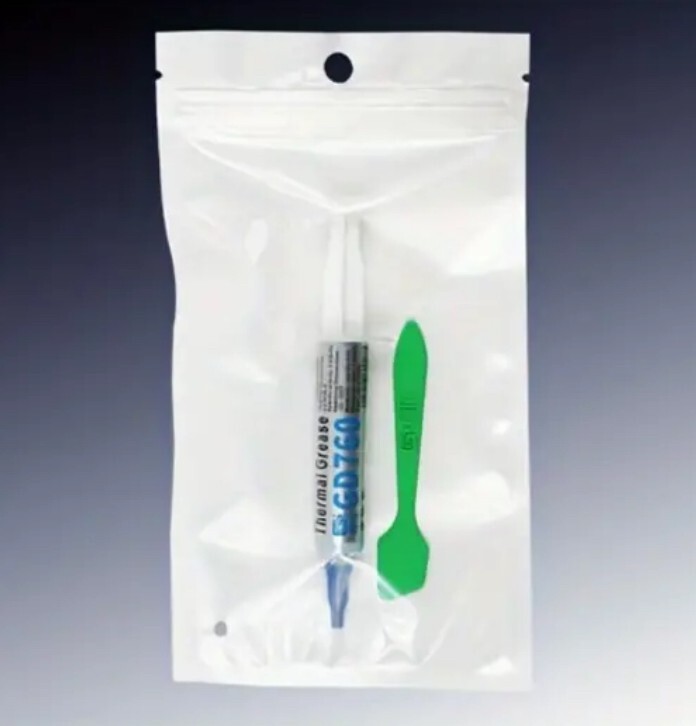
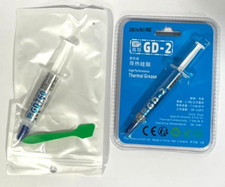
All Variations and their associated images contain exactly what you receive. Note that GD760 contains the largest amount of thermal paste (7g), but does not include any finger gloves. Every option includes two of the selected per order. Volume pricing is active. For ex: Qty of 4 would be 8 total tubes.
If you're unfamiliar with thermal paste, or electronics repair in general; you may be eager to lower your temps or concerned for the longevity of your components and you should be! However, some beginners get so caught up in the fear of damaging something that they can put this off for the entirety of the systems lifespan. Changing your systems thermal paste is a lot like going and waiting to get your oil changed or going to a routine doctors appointment. It would be nice if we didn't have to do them in the first place, but we recognize the intrinsic value in regularly scheduled maintenance. The best advice I can give anyone here is that the thermal paste that you need is the one that's going to work the most optimally between the chip and your heat sink. It's not necessarily about having the highest conductivity value.
The modern absolutes are the CPU and GPU where they are power hungry and need some sort of way to take a portion of that heat away from them so that they can continue to function regularly. Some metal like copper and aluminum are good conductors of heat, but also of electricity. We need a material that is a good conductor of thermal energy and a good insulator from electrical energy.
Any thermal compound or pad that you use is referred formally as the Thermal Interface Material (TIM). Today they are based off of inorganic polymers that almost always contain silicon, each with their own proprietary formulation. But generally they are made for the purpose of aiding the heat generated by the component which is known as heat dissipation. The type/variations used as a TIM can have an effect on the overall performance. There is actually a way you can calculate what conductivity and resistance you need but it's a bit advanced. The only things you need to consider in order to achieve results are as follows:
- How to properly apply an even, appropriate layer. Remember that thermal paste is the mediator, therefore the total amount you apply needs to be appropriate to the surface area and amount of heat that will be dissipating. You need enough to handle the demand but not so much that are you are limiting the efficiency of heat transfer.
- How power hungry is the device?
- How dirt and dust might get into the way in terms of overall conductivity?
- Are the physical and material properties of the heat sink and its design optimized for its location?
Domestic Shipping Only